JillLebofsky may earn a commission if you buy through links on this page, at no extra cost to you. That does not change what we report.
Part of our PureLumin Essence overview. Last checked November 6, 2026.
PureLumin Essence side effects are most likely to be skin reactions from its acids: stinging, redness, peeling and a higher chance of sunburn. In a human study, 10% glycolic acid made skin burn more easily and raised sunburn cells, and the effect faded within about a week of stopping.[4] The serum's label adds its own line: "The safety of this product has not been determined."[1]
Is PureLumin Essence safe? Safety at a glance
The biggest caution is sun sensitivity. Glycolic and mandelic acid are alpha hydroxy acids (AHAs), and FDA's Sunburn Alert for AHA products says to use sunscreen, wear protective clothing and limit sun while using the product and for a week afterwards.[3]
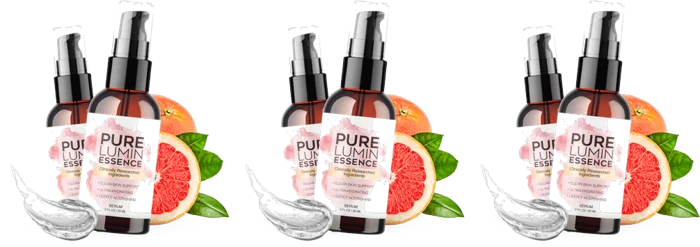
The second caution is the label. It warns to avoid eyes and mucous membranes, not to apply to wounds or damaged or irritated skin, and to stop if irritation develops.[1] It also says safety "has not been determined", while the vendor's FAQ says every ingredient was "proven to be safe in clinical trials".[2] We cannot settle that conflict, so we rely on the label as the more careful statement.
No concentration is printed for any active, so nobody can say how strong the acids are. Patch test before the first full use.
What PureLumin Essence side effects are possible?
The likely side effects are local skin reactions, sunburn and, less often, allergy. The serum is labeled "FOR EXTERNAL USE ONLY", so the concerns are about the skin it touches.[1]
Skin irritation
FDA has received reports for AHA cosmetics of burning, rash, swelling, pigment changes, blisters and chemical burns.[3] In a kojic acid and glycolic acid study, redness, stinging and peeling were common but settled by week 3.[7] A 39-patient split-face study found the kojic acid formula more irritating than the hydroquinone one.[6]
Sun sensitivity
Glycolic acid raised redness, DNA damage and sunburn cells after UV exposure in a second human study.[5] FDA's summary of the earlier work reported UV redness sensitivity up 18% after 4 weeks.[3] Burned or irritated skin can darken, which works against the reason you bought a spot serum.[9]
Allergy and product combinations
Kojic acid can cause allergic contact dermatitis, sometimes months after starting.[8] Irritation also adds up when acids are layered with retinoids or other acid products.
Which ingredients deserve extra attention?
Four ingredients on the label carry known skin cautions. The table lists only what our sources support.
| Ingredient | Safety issue | Why it matters |
|---|---|---|
| Glycolic acid | AHA; raises sunburn risk; FDA reports of burns and blisters | Sunscreen during use and for a week after |
| DL-mandelic acid | AHA; FDA sunburn advice applies | Better tolerated than glycolic peels in small trials, but strength is not printed |
| Kojic acid | Contact allergy; 5 of 8 users tested in one Japanese clinic were sensitive | Rash can start 1 to 12 months in |
| DMDM hydantoin | Formaldehyde-releasing preservative | Check the label if you are allergic to formaldehyde |
| Bearberry extract | Contains arbutin; swallowed arbutin is turned into hydroquinone | Skin absorption from this serum is unknown |
The kojic acid allergy figure comes from a year of patch testing in Japan; 212 people who did not use kojic products all tested negative.[8] How common it is elsewhere is unknown. An animal study found no cancer-causing effect from 3% kojic acid cream on mouse skin.[10] About 65% of a swallowed arbutin dose leaves in urine as hydroquinone equivalents; no figure exists for skin use.[11] The full ingredient order is on our PureLumin Essence serum label page.
Which medicines could interact?
Our sources document no drug interaction for the serum itself. The documented problem is stacked irritation, so ask a pharmacist before combining it with these product groups:
- Retinoids: prescription or store-bought retinoid creams add to acid irritation.
- Other acid products: glycolic, lactic or salicylic cleansers, toners, peels and pads.
- Other spot creams: any second brightening product, since irritation itself can worsen dark marks.[9]
- Recent in-office peels or laser: the label says not to apply to damaged or irritated skin.[1]
Swallowed licorice can lower potassium in people on blood pressure medicines, but this was not shown for licorice on the skin.[12] If you use a prescription skin product, bring the label to your pharmacist. Our guide on whether PureLumin Essence works weighs the benefit side.
Pregnancy, breastfeeding and who should ask a doctor first
No safety data exists for this serum in pregnancy or breastfeeding, and the label says its safety has not been determined. Ask a doctor first if any of these apply:
- You are pregnant or breastfeeding. Swallowed uva ursi (bearberry) is advised against in both; no topical data was found.[13]
- You have a formaldehyde allergy or have reacted to kojic acid before.
- You have eczema, rosacea or skin that is broken or irritated.
- You use a prescription retinoid or have had a peel or laser recently.
- Your dark patches have not been diagnosed, especially patchy marks on both cheeks.
- Your skin tends to darken after irritation or acne.
- You burn easily or spend long hours outdoors.
Which symptoms need a doctor right away?
Stop the serum and see a doctor right away if any of these appear after applying it:
- swelling of the face, lips, tongue or eyes, or any trouble breathing
- blisters, raw skin or a chemical-burn look
- a spreading, itchy rash that does not settle within a day or two of stopping
- severe sunburn while using the product
- serum in the eye that keeps hurting after rinsing
- new or darker patches where you applied it
The label's own rule is simple: stop if irritation develops.[1]
Safety conclusion
PureLumin Essence carries the usual risks of an acid spot lotion: irritation, easier sunburn and a real chance of kojic acid allergy, plus a formaldehyde-releasing preservative. The label admits its safety has not been determined, and no strengths are printed. Patch test on the inner arm first, wear sunscreen every day during use and for a week after, and stop at the first sign of a rash. If you react, the 60-day refund needs every bottle mailed back at your cost; see our PureLumin Essence complaints page.
Back to the PureLumin Essence overview.
Frequently asked questions
Does PureLumin Essence make you sensitive to the sun?
Likely yes. It contains glycolic and mandelic acid, both AHAs. FDA advises sunscreen, protective clothing and limited sun while using AHA products and for a week afterwards, because glycolic acid made skin burn more easily in human testing.
Should I patch test PureLumin Essence?
Yes. Kojic acid has a documented contact allergy signal, and the label says the product's safety has not been determined. Apply a small amount to the inner arm for a few days and skip the serum if redness, itching or swelling appears.
Can PureLumin Essence cause a rash?
It can. Kojic acid can cause allergic contact dermatitis that starts 1 to 12 months after first use, and FDA has reports of rash, swelling and burns from AHA cosmetics. Stop using it and see a doctor if a rash spreads.
Does PureLumin Essence contain formaldehyde?
It contains DMDM hydantoin, a preservative that releases formaldehyde, listed tenth on the label. No amount is printed. People with a known formaldehyde allergy should check the label and ask a dermatologist before using the serum on the face, neck or chest.
Can I use PureLumin Essence with retinol?
Ask a pharmacist or dermatologist first. Irritation adds up when acid products like glycolic acid are layered with retinoids, and irritated skin can darken, which undoes the point of a spot serum. Bring both labels to the appointment.
Sources
- PureLumin Essence product label image. PureLumin Essence, read November 6, 2026.
- PureLumin Essence contact and FAQ page. PureLumin Essence, read November 6, 2026.
- Alpha Hydroxy Acids (archived copy). US Food and Drug Administration, read November 6, 2026.
- Kaidbey 2003, glycolic acid and UV sensitivity in human skin. PubMed, read November 6, 2026.
- Kornhauser 2009, glycolic vs salicylic acid and UV damage. PubMed, read November 6, 2026.
- Garcia 1996, glycolic acid with kojic acid vs hydroquinone for melasma. PubMed, read November 6, 2026.
- Lim 1999, 2% kojic acid added to glycolic acid and hydroquinone gel. PubMed, read November 6, 2026.
- Nakagawa 1995, contact allergy to kojic acid. PubMed, read November 6, 2026.
- Davis 2010, post-inflammatory hyperpigmentation review. PubMed, read November 6, 2026.
- Higa 2007, kojic acid carcinogenicity in animals. PubMed, read November 6, 2026.
- Arbutin excretion as hydroquinone after oral bearberry. PubMed, read October 27, 2026.
- Izzo 2005, oral licorice with blood pressure medicines. PubMed, read November 6, 2026.
- Uva Ursi, LactMed. NIH National Library of Medicine, read October 27, 2026.
This page is general information, not medical advice. Dietary supplements are not reviewed by the FDA for safety or effectiveness before they are sold and are not intended to diagnose, treat, cure or prevent any disease. Talk to your doctor before taking any supplement, especially if you are pregnant, nursing, take medication or have a health condition.